
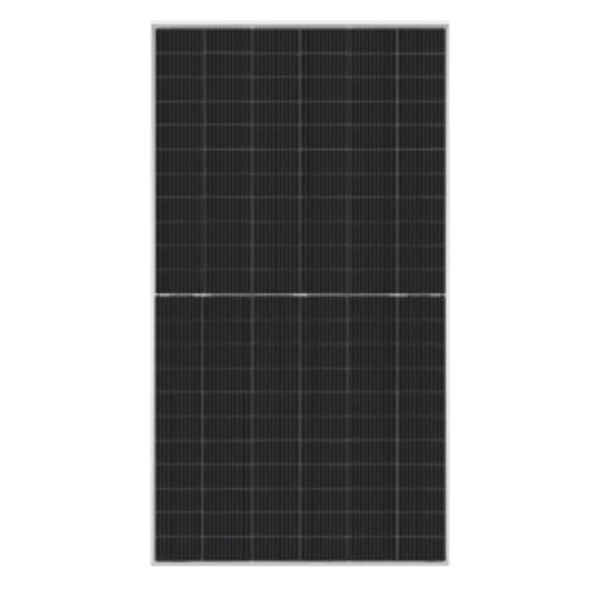
The use of solar panels has been increasing rapidly in recent years as the world moves towards cleaner and more sustainable sources of energy. There are various types of solar panels available in the market, each with its own unique advantages and disadvantages. In this article, we will explore the different types of solar panels and their characteristics.
Monocrystalline Solar Panels
Monocrystalline solar panels are known for their high efficiency and sleek appearance. They are made from a single continuous crystal structure, which allows them to offer higher efficiency compared to other types of solar panels. Monocrystalline panels are also known for their longevity and are often backed by longer warranties. However, they tend to be more expensive compared to other types of solar panels.
Polycrystalline Solar Panels
Polycrystalline solar panels are made from multiple silicon crystals, which are melted together to form the panel. They are less efficient compared to monocrystalline panels, but they are also more affordable. Polycrystalline panels are a popular choice for residential and commercial installations due to their balance of efficiency and cost-effectiveness.
Thin-Film Solar Panels
Thin-film solar panels are made by depositing thin layers of photovoltaic material onto a substrate. They are lightweight, flexible, and easy to install, making them a popular choice for applications where traditional solar panels may not be suitable. Thin-film panels are also more resistant to shading, which means they can continue to produce electricity even when partially covered. However, they tend to have lower efficiency compared to crystalline silicon panels.
Bifacial Solar Panels
Bifacial solar panels are designed to capture sunlight from both the front and back sides of the panel, increasing their overall energy yield. They can be mounted on a variety of surfaces, including flat rooftops, carports, and ground-mounted arrays. Bifacial panels are also known for their durability and resistance to harsh weather conditions.
PERC Solar Panels
Passivated Emitter and Rear Cell (PERC) solar panels are a type of monocrystalline solar panel that features a cell design with a passivated rear surface. This design helps to increase the panel's efficiency by reducing recombination and increasing the amount of sunlight that is converted into electricity. PERC panels are known for their high efficiency and low light-induced degradation.
In conclusion, the choice of solar panels depends on various factors including efficiency, cost, aesthetics, and installation requirements. The rapid advancements in solar technology have resulted in a wide range of options available in the market, allowing consumers to find the most suitable solar panels for their specific needs.
The Ronma Group, with its expertise in the research, production, and sales of P-type/N-type monocrystalline silicon solar cells and modules, is well-positioned to meet the growing demand for solar energy solutions. The company's commitment to innovation and sustainability makes it a key player in the transition towards a cleaner and more sustainable energy future.