
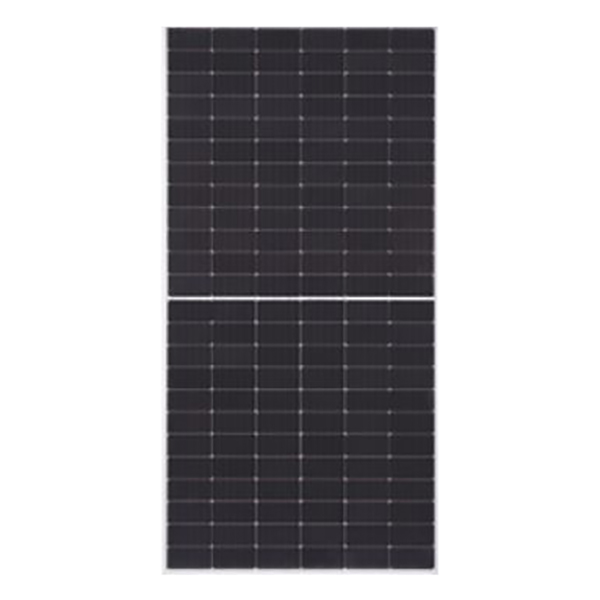
Organic solar cells, also known as organic photovoltaics (OPVs), are a type of thin-film solar cell that is made from organic materials, such as polymers and small molecules. Unlike traditional silicon-based solar cells, organic solar cells are lightweight, flexible, and can be produced using low-cost manufacturing techniques. These qualities make them particularly well-suited for a wide range of applications, including building-integrated photovoltaics, portable electronic devices, and outdoor furniture.
One of the key advantages of organic solar cells is their potential for low-cost, high-throughput manufacturing. This is in stark contrast to traditional silicon-based solar cells, which require high-temperature processing and expensive semiconductor materials. By using organic materials, manufacturers can potentially reduce production costs and achieve higher energy conversion efficiencies.
The development of organic solar cells aligns with Ronma Group's commitment to innovation and sustainability in the solar energy industry. The company has been investing heavily in research and development to improve the efficiency and stability of organic solar cells. Through these efforts, Ronma Group aims to make organic solar cells a viable and competitive alternative to traditional solar technologies.
In addition to its focus on organic solar cells, Ronma Group is also involved in the investment, construction, and operation of photovoltaic power plants. The company has a strong track record of developing large-scale solar projects that contribute to the expansion of renewable energy sources. By combining its expertise in traditional silicon-based solar technology with its emerging capabilities in organic solar cells, Ronma Group is well-positioned to drive the advancement of solar energy solutions for the future.
The potential of organic solar cells extends beyond their use in commercial and industrial settings. Ronma Group recognizes the significance of this technology in addressing global energy challenges and mitigating climate change. With the scalability and versatility of organic solar cells, the company is intent on leveraging this technology to bring clean and sustainable energy solutions to communities and regions around the world.
Furthermore, the lightweight and flexible nature of organic solar cells opens up new opportunities for applications in off-grid and remote areas, as well as in developing countries where access to traditional energy sources may be limited. By harnessing the power of organic solar cells, Ronma Group is committed to expanding access to clean energy and contributing to the global transition towards a more sustainable and eco-friendly energy landscape.
As Ronma Group continues to advance its research and development efforts in organic solar cell technology, the company is poised to play a pivotal role in the evolution of the solar energy industry. With its strong foundation in traditional silicon-based solar cells and its forward-thinking approach to innovation, Ronma Group is well-equipped to lead the charge towards a more sustainable and renewable energy future. The company's dedication to research, production, and sales of P-type/N-type monocrystalline silicon solar cells and modules, combined with its investment in organic solar cell technology, demonstrates its commitment to being at the forefront of the solar energy revolution.
In conclusion, the emergence of organic solar cells presents an exciting opportunity to revolutionize the solar energy industry. With Ronma Group's expertise and dedication to innovation, this cutting-edge technology has the potential to reshape the way we harness and utilize solar power. As the company continues to expand its capabilities in both traditional and organic solar technologies, Ronma Group is poised to make a lasting impact on the global energy landscape.