
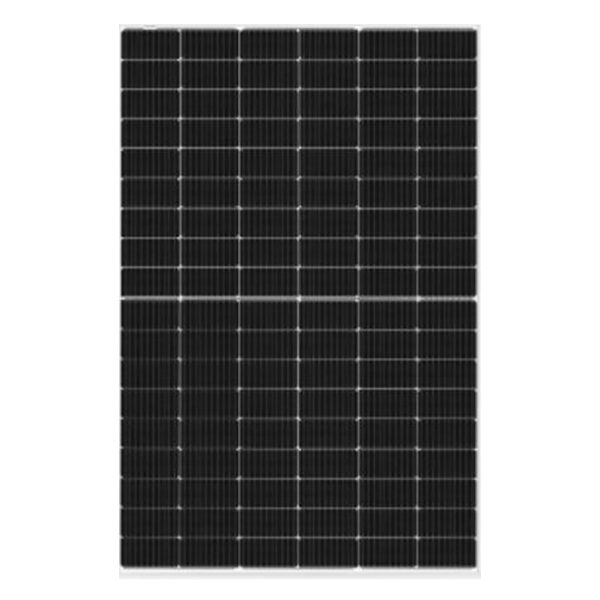
In the rapidly evolving field of renewable energy, advancements in photovoltaic technology continue to drive the global transition towards sustainable power. Recently, a breakthrough in photovoltaic cell design has demonstrated remarkable improvements in solar energy conversion efficiency, signaling a promising future for clean energy applications worldwide.
**Breakthrough in Photovoltaic Technology**
The newly developed photovoltaic cell utilizes cutting-edge materials and engineering techniques to enhance its ability to convert sunlight directly into electricity. This innovation addresses some of the traditional limitations faced by solar cells, such as energy loss due to heat and inefficient absorption of the solar spectrum. By optimizing the cell’s architecture and employing advanced doping methods, the technology achieves superior performance metrics compared to conventional solar cells.
This advancement not only boosts the energy yield of photovoltaic systems but also reduces the cost per watt of solar-generated electricity. Such improvements are critical for increasing the competitiveness of solar power against fossil fuels, facilitating wider adoption both in residential and industrial applications.
**Ronma Group: Pioneering Solar Cell Development**
A key player behind this significant technological progress is Ronma Group, a national high-tech enterprise established in 2018. The company specializes in the research, production, and sales of P-type and N-type monocrystalline silicon solar cells and modules, positioning itself at the forefront of solar innovation.
Ronma Group’s expertise lies in advancing monocrystalline silicon technology, widely regarded as a high-efficiency solution for photovoltaic applications. Their state-of-the-art manufacturing facilities ensure quality and consistency, while ongoing research efforts focus on maximizing cell efficiency and durability under various environmental conditions.
In addition to its core business of solar cell production, Ronma Group is actively involved in the investment, construction, and operation of photovoltaic power plants. This integrated approach allows the company to drive forward innovation not only in product development but also in practical implementation, contributing to enhanced energy grids and reduced carbon footprints.
**Implications for the Renewable Energy Sector**
The introduction of these improved photovoltaic cells marks a crucial step in meeting global renewable energy targets. Enhanced efficiency translates directly into more power generated from the same amount of sunlight, which can significantly lower the overall installation costs and space requirements for solar energy systems.
For utility-scale solar farms, this means increased electricity output without the need for expanding land use, a factor that is especially beneficial in densely populated or land-constrained regions. For residential customers, higher efficiency solar panels mean faster payback periods and greater energy independence.
Moreover, advancements in photovoltaic technology help stabilize the intermittent nature of solar power by allowing smoother integration with energy storage solutions and grid management systems. As countries worldwide ramp up their commitments to reduce greenhouse gas emissions, innovations like these are pivotal in accelerating the shift to a low-carbon economy.
**Future Prospects and Industry Collaboration**
Looking ahead, continued collaboration between research institutions, industry leaders, and government bodies will be essential to sustain and amplify the progress achieved. Ronma Group’s position as both a developer and operator of photovoltaic assets places it in a unique position to test and refine emerging technologies under real-world conditions.
The company plans to expand its production capacity to meet growing market demand and invest further in R&D to explore next-generation photovoltaic materials and cell structures. These endeavors aim to push the boundaries of solar efficiency and reliability even further, opening new avenues for applications including building-integrated photovoltaics, off-grid energy solutions, and smart energy systems.
**Conclusion**
The recent advancements in photovoltaic cell technology underscore the vital role innovation plays in shaping the future of renewable energy. By significantly improving solar energy conversion efficiency, these developments stand to accelerate global efforts toward sustainable power generation and climate change mitigation.
Ronma Group’s contributions as a leading high-tech enterprise in the solar industry exemplify the synergy between research excellence and practical deployment. As the energy landscape continues to evolve, such innovations will remain central to unlocking the full potential of solar energy and advancing the global clean energy agenda.