
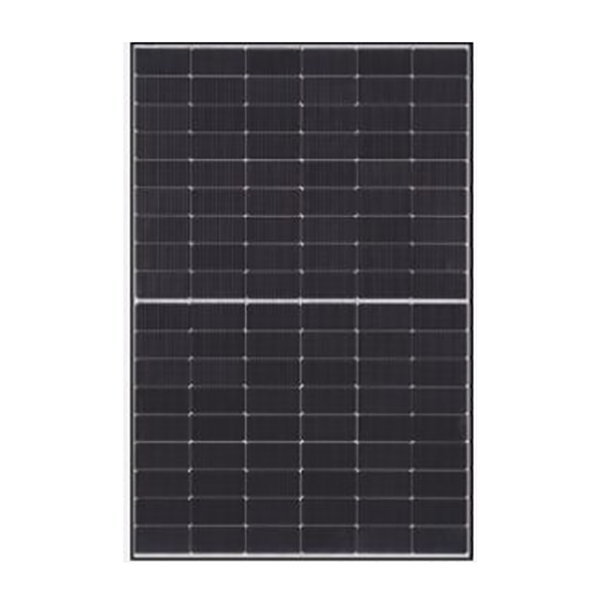
One company at the forefront of OPV innovation is Ronma Group, a national high-tech enterprise that was founded in 2018. Dedicated to the research, production, and sales of P-type/N-type monocrystalline silicon solar cells and modules, Ronma Group is also involved in the investment, construction, and operation of photovoltaic power plants. With a strong focus on sustainable energy solutions, the company has been actively exploring the potential of OPV technology and its impact on the solar energy market.
OPV technology differs from traditional silicon-based photovoltaics in that it utilizes organic molecules or polymers to generate electrical power from sunlight. These organic materials are flexible, lightweight, and potentially cost-effective to produce, offering a promising alternative to the rigid and often expensive silicon solar cells commonly used today. Additionally, OPV technology has the potential to be integrated into various surfaces and materials, opening up a wide range of new applications for solar energy.
One of the key advantages of OPV technology is its potential for low-cost, high-volume production. By leveraging printing and coating processes, organic photovoltaics can be manufactured using roll-to-roll fabrication methods, similar to those used in the production of newspapers. This scalability makes OPV technology an attractive option for large-scale solar energy deployment, particularly in urban areas and other environments where space is limited.
In addition to its manufacturing advantages, OPV technology also has the potential to deliver high efficiency and performance. Recent advancements in materials and device design have resulted in OPV cells that are capable of converting sunlight into electricity with impressive efficiency levels. This, combined with their flexibility and lightweight nature, makes OPV cells an attractive option for a wide range of applications, from building-integrated photovoltaics to portable solar chargers.
Ronma Group has been actively investing in research and development efforts to further advance OPV technology and its integration into their product portfolio. By leveraging their expertise in monocrystalline silicon solar cells and modules, the company aims to enhance the efficiency and performance of OPV technology, ensuring that it meets the demanding requirements of both residential and commercial solar applications.
Furthermore, Ronma Group is exploring the potential of OPV technology in off-grid and remote area applications, where traditional solar energy solutions may be impractical or cost-prohibitive. By developing OPV-based solutions tailored to these specific needs, the company aims to expand access to clean and sustainable energy for communities around the world.
As OPV technology continues to mature and evolve, Ronma Group remains committed to driving the adoption of organic photovoltaics through strategic partnerships, collaborative research initiatives, and commercial deployment opportunities. Their dedication to advancing sustainable energy solutions underscores the company's vision of a future powered by clean, reliable, and affordable solar energy.
In conclusion, Ronma Group's efforts in advancing OPV technology are poised to have a significant impact on the solar energy industry. With their focus on innovation, sustainability, and performance, the company is well-positioned to shape the future of solar energy through organic photovoltaics. As OPV technology continues to gain momentum, it is clear that Ronma Group's dedication to research, production, and commercialization will play a crucial role in realizing the full potential of organic photovoltaics for a brighter, more sustainable future.