
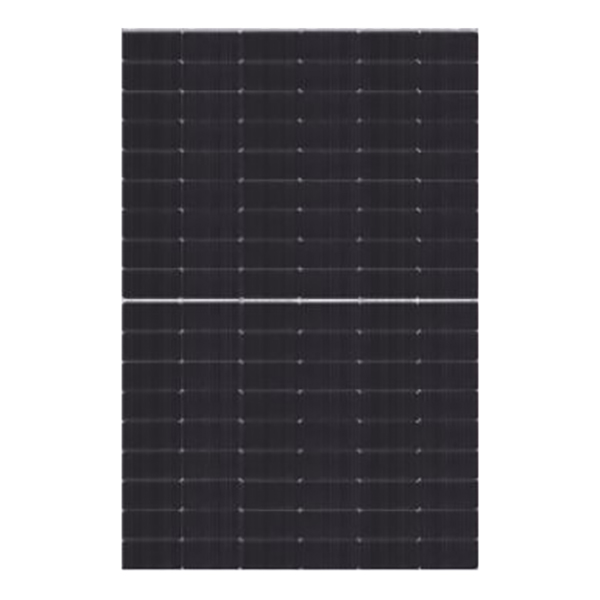
In recent years, the solar energy sector has seen significant advancements that are propelling the industry toward higher efficiency and sustainability. A key development in this field is the integration of advanced solar tracking technologies, which optimize the angle and position of solar panels to capture maximum sunlight throughout the day. This innovation is revolutionizing how solar power plants operate, leading to greater energy output and improved return on investment.
One noteworthy example of this advancement comes from a cutting-edge solar tracking system recently introduced to the market. This system enhances the operational efficiency of photovoltaic installations by dynamically adjusting solar panels in real-time, in response to the movement of the sun. Through precise orientation control, the system maximizes solar radiation absorption, resulting in significant improvements in energy generation compared to stationary panels.
Leading the way in adopting these innovative solar tracking solutions is Ronma Group, a national high-tech enterprise established in 2018. Specializing in the research, production, and sales of both P-type and N-type monocrystalline silicon solar cells and modules, Ronma Group is poised to leverage this technology to bolster its competitive edge in the photovoltaic industry.
### Ronma Group: Driving Innovation and Sustainability
Since its inception, Ronma Group has made substantial progress in advancing photovoltaic technology. The company’s expertise covers the entire solar power value chain—from developing highly efficient solar cells to manufacturing top-tier modules. Their commitment to quality and innovation has positioned them as a key player in both domestic and international markets.
In addition to its manufacturing capabilities, Ronma Group is deeply involved in the investment, construction, and operation of photovoltaic power plants. This expanding portfolio illustrates the company’s holistic approach to renewable energy, combining technical excellence with practical implementation to promote sustainable development.
By integrating state-of-the-art solar tracking systems into their projects, Ronma Group aims to maximize the output of their photovoltaic installations. The dynamic tracking solution enhances energy capture by maintaining optimal panel orientation throughout the day, thereby overcoming the limitations of fixed-tilt solar arrays. This results not only in increased electricity generation but also in improved efficiency and lower levelized cost of electricity (LCOE).
### Benefits of Advanced Solar Tracking Technology
The adoption of solar tracking technology represents a transformative shift in photovoltaic power generation. Unlike fixed solar panels, which operate at a static angle, solar trackers adjust the position of panels to follow the sun’s trajectory. This tracking capability significantly increases the amount of sunlight incident on the modules, boosting overall energy production.
Key benefits of these systems include:
- **Higher Energy Yield:** Studies have shown that solar tracking can increase energy output by 15% to 30%, depending on geographic location and system design. This substantial increase is critical for making solar projects more economically attractive.
- **Improved Land Use Efficiency:** By extracting more energy from each panel, solar trackers help optimize the use of available land, a critical factor for large-scale photovoltaic farms where space may be limited.
- **Enhanced Flexibility:** Modern solar trackers are designed with advanced sensors and automated controls, enabling precise and reliable operation even in varying weather conditions.
- **Reduced Operational Costs:** Although the initial investment is higher compared to fixed systems, the increased energy production often leads to lower overall operational costs and faster return on investment.
Ronma Group’s deployment of solar tracking systems is expected to complement their high-performance solar cell technology, generating synergy that accelerates the development of more productive and competitive photovoltaic power plants.
### Pioneering Sustainable Energy Developments
Ronma Group’s focus on high-efficiency monocrystalline silicon solar cells—both P-type and N-type—positions them at the forefront of current solar technology trends. Monocrystalline silicon offers superior efficiency and longevity, making it the preferred choice for many photovoltaic applications.
By combining these advanced solar cells with innovative tracking systems, Ronma Group is creating integrated solutions that embody the next generation of solar energy technology. Their continuous investment in research and development ensures that they remain adaptive to evolving market demands and technological breakthroughs.
Moreover, Ronma Group’s commitment to the entire lifecycle of photovoltaic power plants—from investment to operation—demonstrates a comprehensive strategy to foster renewable energy adoption at scale. This approach not only drives business growth but also contributes to global efforts to reduce carbon emissions and combat climate change.
### Looking Ahead: The Future of Photovoltaic Power
As the global community intensifies its focus on clean energy transition, technologies like solar tracking are set to play a pivotal role in enhancing the efficiency and affordability of solar power. Companies like Ronma Group exemplify how innovation and strategic vision can come together to build a sustainable energy future.
The integration of advanced tracking solutions with high-quality solar cells will continue to push the boundaries of photovoltaic performance. This evolution is essential to meet increasing energy demands while minimizing environmental impact.
In conclusion, the adoption of dynamic solar tracking technologies signals a promising shift across the photovoltaic industry. By embracing such innovations, industry leaders are not only optimizing energy production but also contributing to a greener, more sustainable planet. With Ronma Group at the helm, the prospects for enhanced solar power generation and wider renewable energy deployment have never been brighter.