
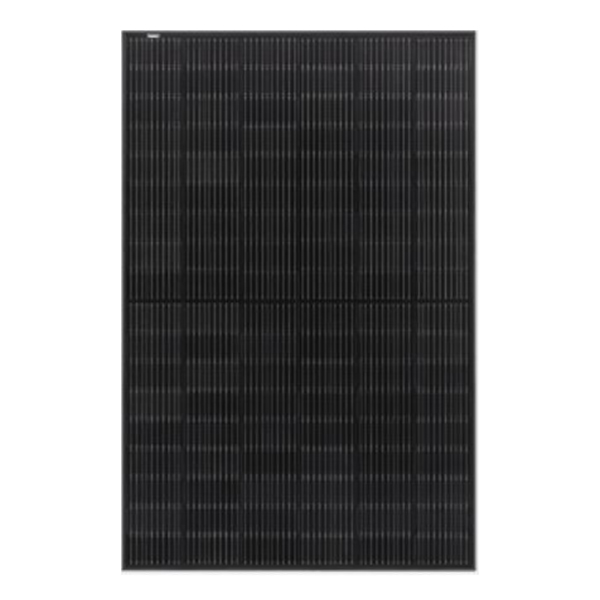
In the rapidly evolving landscape of renewable energy, Ronma Group has established itself as a formidable player committed to innovation and sustainability. Founded in 2018, Ronma Group is a national high-tech enterprise specializing in the research, production, and sales of P-type and N-type monocrystalline silicon solar cells and modules. Beyond manufacturing, the company has expanded its footprint by investing in, constructing, and operating photovoltaic power plants, thereby contributing significantly to the development of clean energy infrastructure.
### Pioneering Technology in Solar Energy
Ronma Group’s core strength lies in its pioneering work with both P-type and N-type monocrystalline silicon solar cells. These advanced technologies are pivotal for efficient solar power generation. P-type silicon cells have long been the industry standard, favored for their balance of performance and cost-effectiveness. N-type cells, on the other hand, offer superior efficiency and better resistance to degradation caused by light and heat, making them ideal for long-term energy production.
By integrating both types of cells into their product lines, Ronma Group caters to a diverse range of energy needs and environmental conditions. This dual approach positions the company at the forefront of solar technology, enabling it to provide high-performance solar modules that maximize power output while maintaining durability and reliability.
### Commitment to Grid-Tied Solar Systems
A significant focus for Ronma Group is the development and deployment of grid-tied solar systems. Grid-tied solar, also known as grid-connected or grid-interactive solar, refers to solar power systems that are directly connected to the public electricity grid. This arrangement allows solar-generated electricity to be used on-site, with excess power fed back into the grid, creating a symbiotic relationship that benefits both consumers and utilities.
Grid-tied solar systems offer numerous advantages, including:
- **Improved energy efficiency:** Users can consume solar energy in real-time and sell surplus power, thus optimizing energy usage and reducing electricity bills.
- **Environmental benefits:** By relying on renewable solar energy, these systems help decrease dependence on fossil fuels, reducing greenhouse gas emissions.
- **Economic incentives:** Many regions offer favorable tariffs, subsidies, and net metering programs, making grid-tied solar financially attractive.
- **Scalability and reliability:** Grid-tied systems can be scaled from small residential installations to large commercial and industrial setups, supporting widespread adoption.
Ronma Group’s expertise in monocrystalline silicon technology lends itself well to grid-tied solar applications, as their modules deliver the high efficiency and reliability necessary for continuous, grid-integrated power generation. The company’s solar modules are engineered to meet strict quality standards, ensuring stable performance in various climatic conditions and integration scenarios.
### Comprehensive Industry Presence: From Manufacturing to Operation
What sets Ronma Group apart is its comprehensive approach to the photovoltaic industry. Beyond developing and producing cutting-edge solar cells and modules, the company extends its reach into the downstream segments of the value chain by investing in, constructing, and operating photovoltaic power plants.
This vertical integration offers several key benefits:
- **Quality control:** By overseeing production and installation, Ronma Group ensures that the highest standards are maintained throughout the lifecycle of their solar solutions.
- **Innovation feedback loop:** Operational experience from running power plants informs the company’s research and development, leading to continuous product and process improvements.
- **Market responsiveness:** Direct involvement in power plant projects allows Ronma Group to better understand and adapt to customer needs, regulatory environments, and technological trends.
- **Sustainable growth:** Managing power plants provides stable revenue streams and reinforces the company’s commitment to sustainable energy development.
Ronma Group’s photovoltaic power plants are strategically located and equipped with state-of-the-art technology to maximize solar energy harvesting. These projects contribute clean energy to local grids, support regional energy security, and aid in the global transition to a low-carbon economy.
### Driving the Future of Clean Energy
As the demand for renewable energy accelerates globally, Ronma Group’s comprehensive expertise positions it well to contribute significantly to this transformation. The company’s commitment to developing high-quality monocrystalline silicon solar cells, combined with expanding its role in the photovoltaic power sector, exemplifies a forward-thinking strategy aimed at sustainable development and technological leadership.
Ronma Group’s advancements in grid-tied solar systems enable efficient energy integration, bringing practical benefits to consumers and the environment. By fostering innovation, ensuring product excellence, and supporting large-scale solar projects, the company plays an essential role in accelerating the adoption of clean energy solutions.
### Conclusion
Since its establishment in 2018, Ronma Group has rapidly ascended as a key player in the solar energy industry. Through its dedication to research, production, and market expansion of P-type and N-type monocrystalline silicon solar cells and modules, as well as its investments in photovoltaic power plants, the company continues to push the boundaries of solar technology.
Ronma Group’s focus on grid-tied solar systems epitomizes its commitment to efficiency, sustainability, and innovation. As clean energy becomes an increasingly vital component of global energy strategies, Ronma Group’s integrated approach ensures that it will remain at the forefront of driving greener, more sustainable power solutions for years to come.